
Last updated October 16, 2026
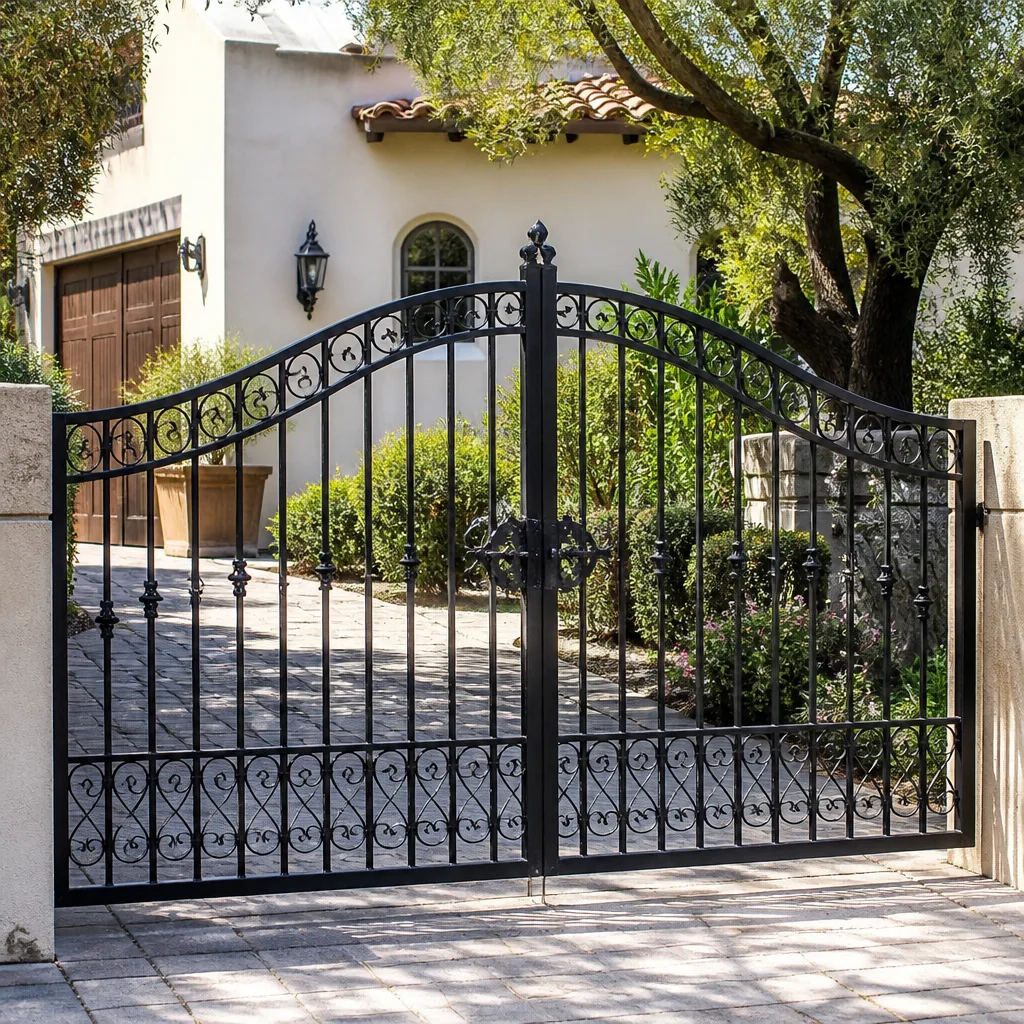 Wrought iron
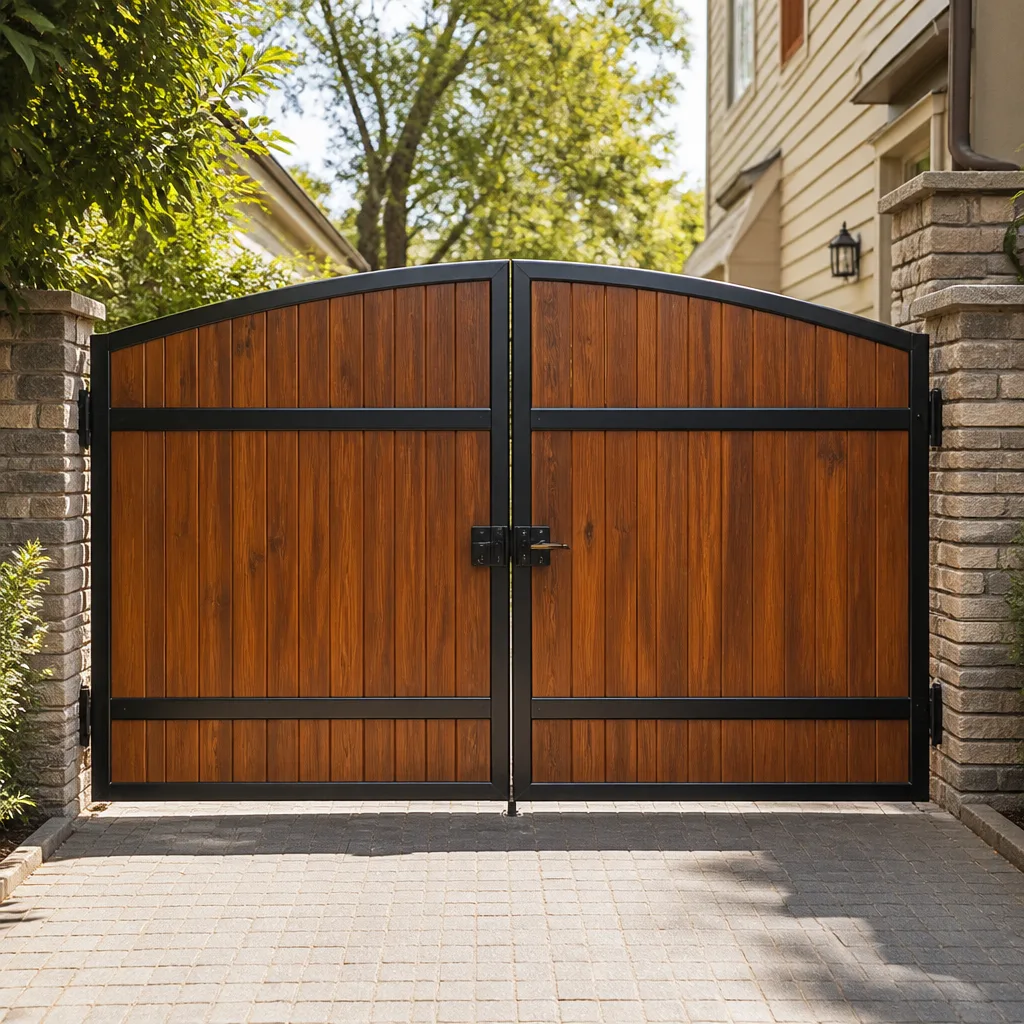 Wood & steel frame
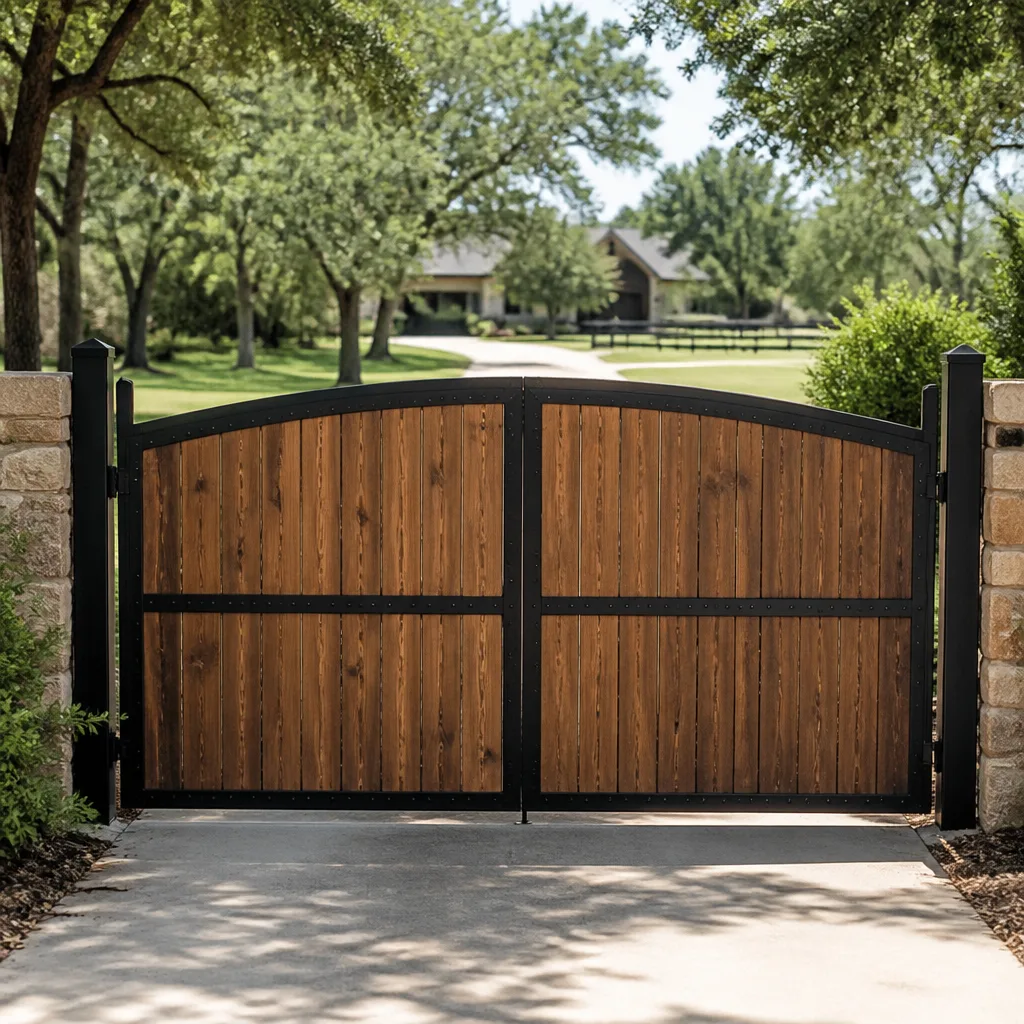 Farm & ranch
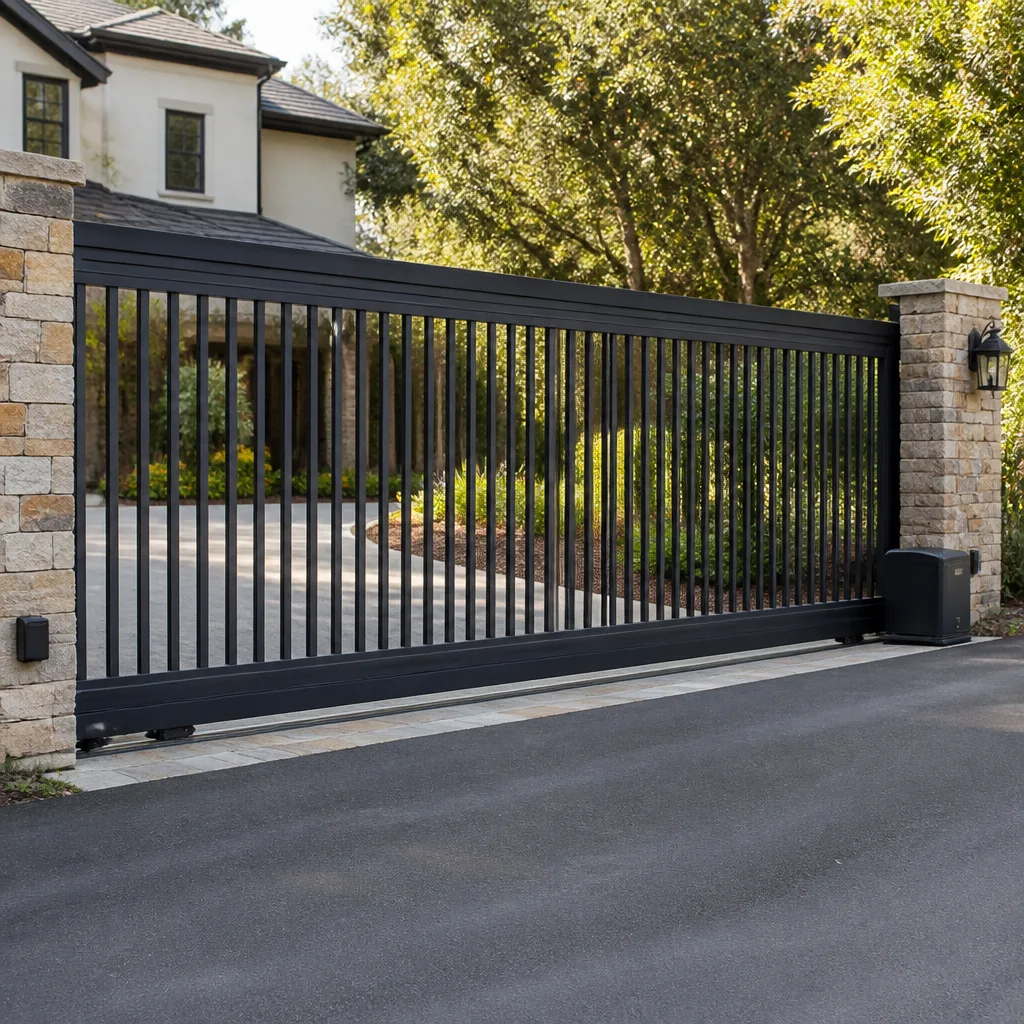 Sliding driveway gates
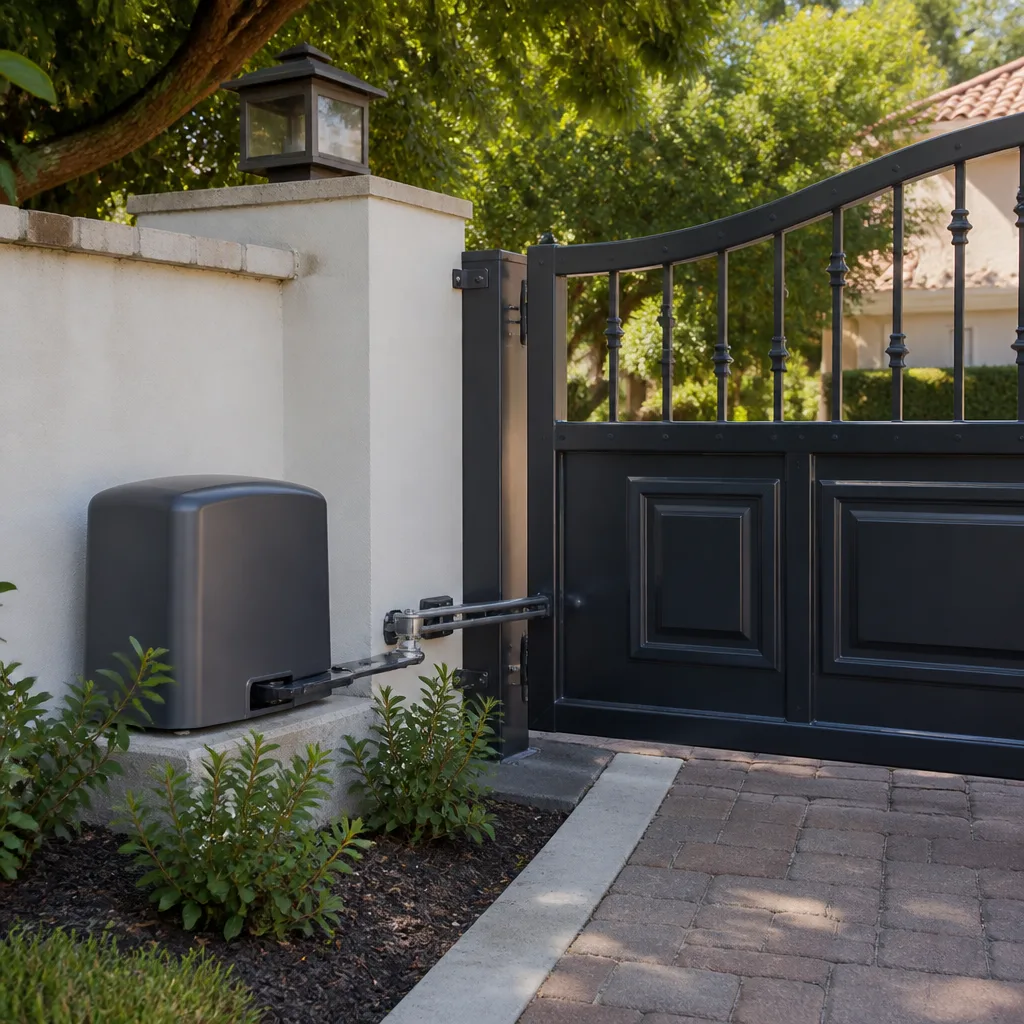 LiftMaster operators
Free on-site gate assessment - hinges, posts, and your LiftMaster or Nice gate operator checked before anything is quoted
The assessment is free and the quote is the invoice.
Get your free estimateSeasonal Gate Repair Care for West Palm Beach: Year-Round Homeowner’s Guide
The biggest gate failures we see after a named storm aren’t caused by wind damage. They’re caused by the power surge or extended outage that the battery backup wasn’t prepared for, because no one tested it before June 1st. Pre-hurricane season gate prep in West Palm Beach is almost entirely about your electrical system, not your gate structure. This guide, alongside The Complete Guide to Gate Repair in West Palm Beach, maps the two distinct stress cycles every gate in this city goes through each year – hurricane season and dry-season UV – and what you should do at the start and end of each one, in the order the work should actually be done.
Styles & brands we work with
Quick Answer
Seasonal gate care in West Palm Beach means two focused checkups per year: a pre-hurricane season electrical and hardware inspection in April or May, and a dry-season UV and corrosion pass in November. Between those two cycles, most gates only need a visual once-over and a lubrication touch-up every few months. The goal is simple – catch the battery, the surge protection, and the sun damage before they strand you at your own driveway.
Table of Contents
- Pre-Hurricane Season Checklist (April – May)
- Post-Storm Inspection Protocol: What to Check Before Reconnecting Power
- Dry Season (November – April): UV and Heat Focus
- Salt-Air Intrusion and Coastal Hardware Care
- Year-End Documentation: Recording Part Ages and Service History
- Gate Motor Brand-Specific Maintenance Notes
- Common Mistakes to Avoid
- When to Call a Professional
- Frequently Asked Questions
- The Bottom Line
Pre-Hurricane Season Checklist (April – May)
By the time June rolls around, every gate in West Palm Beach should have completed a four-point electrical and mechanical check. We’ve seen too many homeowners wait until a storm is named, then scramble to get a technician out the week before landfall. That’s the wrong sequence. The work below takes about an hour for a homeowner to check, or a technician can run through it in a single service call.
The reason this matters so much here is simple: West Palm Beach sits in a direct path for Atlantic storms, and the city’s electrical grid takes a beating during sustained winds and storm surge. A gate operator that runs fine on a sunny Tuesday afternoon can fail the first time you need it during an evacuation. Here’s the order of operations we recommend, because each step depends on the one before it:
- Battery backup load test. Disconnect AC power at the operator and run the gate through a full open-close cycle on battery power alone. If the gate slows, stops midway, or won’t move at all, the battery is dead or dying. Most gate-motor batteries last 2 to 3 years in South Florida heat, and we replace a lot of them in April and May. A battery that tests fine in April will likely carry you through November.
- Surge protection inspection. Look at the surge protector on the operator circuit. If the indicator light is out or the unit shows signs of scorching, replace it before storm season. Lightning strikes in West Palm Beach are frequent enough that an unprotected control board is a gamble, not a maintenance plan.
- Manual release verification. Pull the manual release lever or key and confirm you can move the gate by hand. If the release is seized or you don’t know where it is, that’s a problem to fix now. During a power outage, you don’t want to be fumbling with a release that hasn’t been exercised in years.
- Hardware tightening pass. Walk the gate and check every bolt, hinge, and bracket you can see. Sustained winds turn a slightly loose hinge bolt into a cracked weld by the time the storm passes. Long screws backed out of the operator arm are common, especially on swing gates that get used multiple times a day.
If any of these steps fail, that’s a signal to get gate motor repair in West Palm Beach scheduled before the first named storm. Don’t wait until a watch is issued. Technicians book out fast in late May.
Post-Storm Inspection Protocol: What to Check Before Reconnecting Power
This is where we see the most expensive mistakes. After a storm passes, the instinct is to flip the breaker back on and hope for the best. Don’t. If your gate operator sat through a flood, a surge, or an extended outage, the sequence below is the difference between our Gate Repair services fixing it for $200 and a $1,500 operator replacement.
We recommend this order because each check protects you from the next layer of damage:
- Visual inspection for water intrusion. Open the operator cover and look for standing water, water lines, or mud. If the control board got wet, do not reconnect power under any circumstances. A wet board, energized, almost always shorts and takes the transformer with it. Let it dry completely, then have it tested. In West Palm Beach, where post-storm humidity stays high for weeks, “dry” takes longer than you’d think.
- Check the power supply and outlet. If the outlet or junction box shows signs of arcing, scorching, or corrosion, the problem likely started upstream of the gate. Loose connections that were already marginal before the storm become failures after it. Have an electrician or a gate technician check the supply before blaming the operator.
- Photoeye and safety-sensor alignment. Storms push sensors out of alignment, sometimes by inches. If the gate won’t close, or reverses for no reason, the photoeyes are the first suspect. Realign them, but also check the housings for cracks. Even a small crack in the photoeye housing lets moisture in, and that moisture will eventually kill the sensor.
- Test the control board sequence. With dry hands and a dry board, try the operator. Listen for clicks, watch the LED indicator lights, and note any error codes. A board that powers on but behaves erratically – opening when you command close, ignoring the remote, continuously beeping – needs attention. Don’t keep cycling it. Erratic boards often cascade into further component damage.
- Run a full open-close cycle with you standing at the gate. Not from the car. Not from the house. Stand at the gate, watch the travel, listen for grinding or strain, and check that the gate stops cleanly at the limits. If the gate slams into the open or closed position, the limit switches took damage during the storm.
If you’re uncertain about any step in this sequence, this is the time to call a professional. Gate repair in West Palm Beach after a storm is often simpler and cheaper when caught in the first 48 hours, before corrosion sets in on damaged components.
Dry Season (November – April): UV and Heat Focus
West Palm Beach’s dry season is when the sun does its slow, quiet work. No dramatic failures, no named storms, just month after month of direct UV exposure and ambient heat. And that’s exactly why dry-season damage catches homeowners off guard. The failures don’t announce themselves until the component has been baking for years.
Here’s what the dry season actually does to a gate system in this city:
- Gate seals crack and shrink. Rubber and vinyl seals around the gate frame, the operator housing, and the photoeye housings break down under prolonged UV exposure. Once a seal cracks, moisture gets in during the next rain event, and the corrosion cycle starts. We replace more photoeye housings between January and March than any other time of year.
- Vinyl and aluminum finishes fade and chalk. Powder-coated aluminum holds up better than liquid paint, but even powder coat chalks under South Florida sun. Once the coating is compromised, the bare aluminum underneath starts to oxidize. That’s cosmetic at first, but left untouched, it becomes structural pitting on gates near the coast.
- Electronic components run hot. Control boards, capacitors, and transformers all have temperature ratings. Inside a black operator housing in direct sunlight, internal temperatures regularly exceed 140°F during April afternoons. Components that run hot for months at a time fail earlier than the same components in shaded installations. This is why the operator brand matters, and why some brands handle South Florida heat better than others.
- Capacitors weaken. Start capacitors and run capacitors degrade faster in sustained heat. A weak capacitor is the classic “gate worked fine this morning, but now it just hums and doesn’t move” call. If your gate hesitates on startup or sounds sluggish, the capacitor may already be on its way out.
The practical takeaway: during the dry season, give your gate a 15-minute visual inspection every month. Look at the seals, the housings, the finish, and listen for changes in how the motor starts. Catching a cracked seal in February is a $40 fix. Catching the corrosion that cracked seal caused in September is a different conversation entirely.
Salt-Air Intrusion and Coastal Hardware Care
If you’re within two miles of the ocean or the Intracoastal, this section applies to you more than any other. Salt air is not a constant in West Palm Beach. It changes with wind direction, and that changes when your gate needs attention.
During the dry season, prevailing winds come from the east and northeast. That pushes salt-laden air directly onto coastal properties. Ocean spray, humidity, and steady onshore flow combine to deposit salt film on everything metal: hinges, bolts, brackets, chains, tracks, and the operator housing itself. The salt sits there and draws moisture, even on days that feel dry. That’s the recipe for accelerated corrosion.
During hurricane season, the wind shifts more southerly and the rain is heavy enough to wash salt off, at least temporarily. But the heavy rain also drives salt and moisture into every crack, seal gap, and scratch. So the corrosion you see in October often started in August.
Here’s a practical coastal hardware care schedule for West Palm Beach:
- November through April: Lubricate hinges, rollers, chains, and any exposed pivot points every 6 to 8 weeks. Use a marine-grade lubricant. Standard WD-40 evaporates too fast and leaves almost no protection. A lithium-based grease or a dedicated marine lubricant holds up far better in salt air.
- May through October: Rinse salt film off the gate and operator housing with fresh water after any period of steady onshore wind, or at minimum once a month. A garden hose with a spray nozzle is enough. No pressure washer, which just drives water into seals and electrical connections.
- Inspect sacrificial parts. On swing gates, the hinge bolts and bottom pivot brackets are the first to go. On slide gates, it’s the track and the wheels. Check them during every lubrication pass. A hinge bolt that’s starting to show orange staining is cheap to replace now and expensive to replace when it shears.
- Gate finish touch-ups. Any scratch, chip, or bare-metal spot on a coastal gate should be touched up with a marine-grade paint or coating within a month. Bare aluminum or steel near salt air will pit quickly.
In our experience working on coastal properties in West Palm Beach, gates that get this schedule last 5 to 7 years longer than gates that don’t. The difference isn’t materials. It’s the regularity of the maintenance.
Year-End Documentation: Recording Part Ages and Service History
Most homeowners don’t keep gate records, and it costs them money. Every gate has a set of components with known life expectancies. When you don’t track when those components were last replaced, you’re reacting to failures instead of planning for them. That’s the most expensive way to own a gate.
Here’s what to record, once a year, in a simple note or spreadsheet:
- Battery age and last replacement date. Gate-motor batteries last 2 to 3 years in West Palm Beach heat. If you write down the date you installed a new one, you’ll know to budget for the next one before it strands you.
- Capacitor age. Start and run capacitors last 3 to 5 years on average. If yours are 4 years old and the gate sounds sluggish, replacing them proactively is less expensive than a no-start service call.
- Photoeye and safety sensor dates. These fail more from UV and moisture than from age, but tracking when they were last replaced helps you spot patterns. If you’re replacing a photoeye every 2 years, something else is wrong – likely a misalignment or a crack letting water in.
- Limit switch and control board dates. Control boards can last 8 to 10 years if they’re protected from surges. Limit switches wear out sooner on gates that get heavy daily use. Recording these dates gives you a warning window.
- Lubrication and inspection dates. Simple, but valuable. If you know the gate was lubricated on March 1st, you know when it’s due again without guessing.
- Any storm-related incidents. If the gate took a surge, sat in flooding, or got hit by debris, write it down. That history matters when diagnosing future problems.
This is the documentation habit that separates homeowners who pay for predictable maintenance from homeowners who pay for emergency repairs. The next time something fails, you’ll look at the record and know whether it’s a surprise or a scheduled item you missed.
Gate Motor Brand-Specific Maintenance Notes
Not all gate motors handle South Florida the same way. We work on nine major brands, and in West Palm Beach’s climate, a few specific things stand out. If your gate runs on one of the brands below, here’s what to know for seasonal care.
FAAC operators are common on swing gates in higher-end West Palm Beach neighborhoods. Their hydraulic operators handle heat well, but the limit-switch adjustments drift over time as seals wear. Check the travel limits twice a year, especially after temperature swings. A FAAC that’s drifting will slam at the stops, and that damage compounds.
BFT operators tend to run quieter than most, but their control boards are sensitive to voltage fluctuation. If your BFT board resets or loses its programmed remote codes, check the input voltage before assuming the board is bad. On West Palm Beach’s older grid sections, voltage sag is a real problem and a surge protector is not optional.
Linear and Viking operators are built to take abuse, which is why they’re popular on commercial and heavy residential gates. Both brands benefit from regular capacitor tests, and both brands’ photoeyes are more vulnerable to UV housing cracking than the mechanical components. If the gate reverses or won’t close, the photoeye is the first thing to inspect, regardless of brand.
The common thread across all brands: your gate motor’s seasonal needs are the same – clean power, dry electronics, aligned sensors, and a battery that holds a charge. The brand determines how each of those failures shows up, not whether the failure happens.
Common Mistakes to Avoid
- Testing the battery backup after the power is already out. A battery that hasn’t been load-tested in two years will not magically work when a hurricane kills the grid. Test it in April, replace it in April, and don’t think about it again until next April.
- Ignoring photoeye alignment for months because the gate still works. A misaligned photoeye on a West Palm Beach gate often still lets the gate open, but prevents it from closing. Homeowners develop workarounds, like holding the override. That’s not a fix. It’s training yourself to bypass a safety device that exists for a reason.
- Lubricating everything once, then forgetting about it. Lube doesn’t last, especially in salt air. A single lubrication in January does nothing for your gate in July. Set a recurring reminder and stick to it.
- Pressure washing the gate and operator housing. Water at pressure finds its way into seals, connectors, and the control board enclosure. A garden hose at lower pressure is all you need for cleaning. Leave the pressure washer for the driveway.
- Reusing old batteries with new ones, or charging them in place without disconnecting. Gate-motor batteries are not car batteries. They have different charging profiles. Mixing old and new, or charging while still connected to the board, can damage the charging circuit. Disconnect, then test, then decide.
- Calling for repair only when the gate has completely stopped. The most expensive gate repairs we see are the ones where the homeowner ignored the warning signs for months: the gate got slower, louder, jerkier, and then stopped entirely. Fix it at the first symptom, not the last one.
- Assuming a new gate doesn’t need seasonal care. Every gate needs it, including a brand-new installation. New gates have new components that are all settling in: bolts torque down, seals seat, the motor breaks in. Skipping the first two seasonal checkups on a new gate is leaving money on the table.
When to Call a Professional
Some gate work is homeowner-friendly. Some is not. Call a professional when you have a control board that got wet, a gate that makes grinding or popping sounds at the hinges, a motor that hums but won’t move, a chain or belt that’s visibly sagging or frayed, or a gate that’s visibly out of alignment – leaning, dragging, or catching. These aren’t adjustment issues. They’re warning signs of a component that’s about to fail, and failure under load can mean a gate coming off its track or off its hinges. Carver Gate Repair West Palm Beach offers free estimates in West Palm Beach – call (728) 203-2413 and we’ll send a technician who arrives with a written price before any work starts.
Frequently Asked Questions
Seasonal gate maintenance in West Palm Beach typically runs $150 to $350 for a full inspection and tune-up, depending on the gate type, the number of operators, and whether parts like batteries or photoeyes need replacement during the visit. A basic lubrication and visual inspection is on the lower end, while a full pre-hurricane season electrical and hardware pass with battery replacement runs on the higher end. Call (728) 203-2413 for an exact quote – estimates are free, and we give you the price in writing before any work begins.
In South Florida, we recommend two full inspections per year – one in April or May before hurricane season, and one in November at the start of the dry season – plus a homeowner lubrication pass every 6 to 8 weeks for coastal properties. Gates within two miles of the ocean need more frequent hardware attention due to salt air, while inland gates can stretch the lubrication to every 8 to 10 weeks.
Yes, for a different reason than coastal homeowners. Inland West Palm Beach gates are more exposed to wind-driven debris and downed trees, which can knock sensors out of alignment, dent gates, or sever control wires. Power surges from lightning strikes are also common across the entire city, not just near the water. Every gate in West Palm Beach should complete the pre-hurricane season electrical checklist, regardless of distance from the coast.
The most common gate failure we see in West Palm Beach is a dead battery backup that wasn’t tested before the first storm, followed closely by photoeye misalignment and capacitor failure from sustained heat. All three are preventable with the two seasonal checkups we describe in this guide.
You can handle the visual inspections, the lubrication, the salt rinsing, and the documentation yourself, and we encourage it. The electrical work – battery load testing, surge protection inspection, control board checks, and capacitor testing – is where a trained technician is worth the cost, because testing those components wrong can damage them or give you a false sense of security right before a storm. See DIY vs Professional Gate Repair: The West Palm Beach Homeowner’s Decision Guide for help deciding what to tackle yourself.
Gate motors in West Palm Beach last 8 to 12 years on average with proper seasonal maintenance, but the battery backup, capacitors, and photoeyes will each need replacement two to three times during that span. Without maintenance, the motor itself rarely makes it past 5 to 6 years, and the supporting components fail even sooner. Call (728) 203-2413 if you want to know where your gate stands.
The Bottom Line
Seasonal gate care in West Palm Beach is not about doing more work. It’s about doing the right work at the right time of year. Pre-hurricane season is for electrical prep: battery testing, surge protection, manual release checks. Dry season is for UV and corrosion work: seals, housings, finishes, lubrication. The two cycles demand different attention, and treating them the same way is how gates fail early. Keep a simple record of part ages and service dates, handle the basic maintenance yourself, and call Gate Installation in West Palm Beach when you need a professional who will show up with a written price. That’s the whole system. It works.
Written by Lonnie Burke, Owner at Carver Gate Repair West Palm Beach, serving West Palm Beach since 2008. Browse more guides & resources on our blog.
See the difference
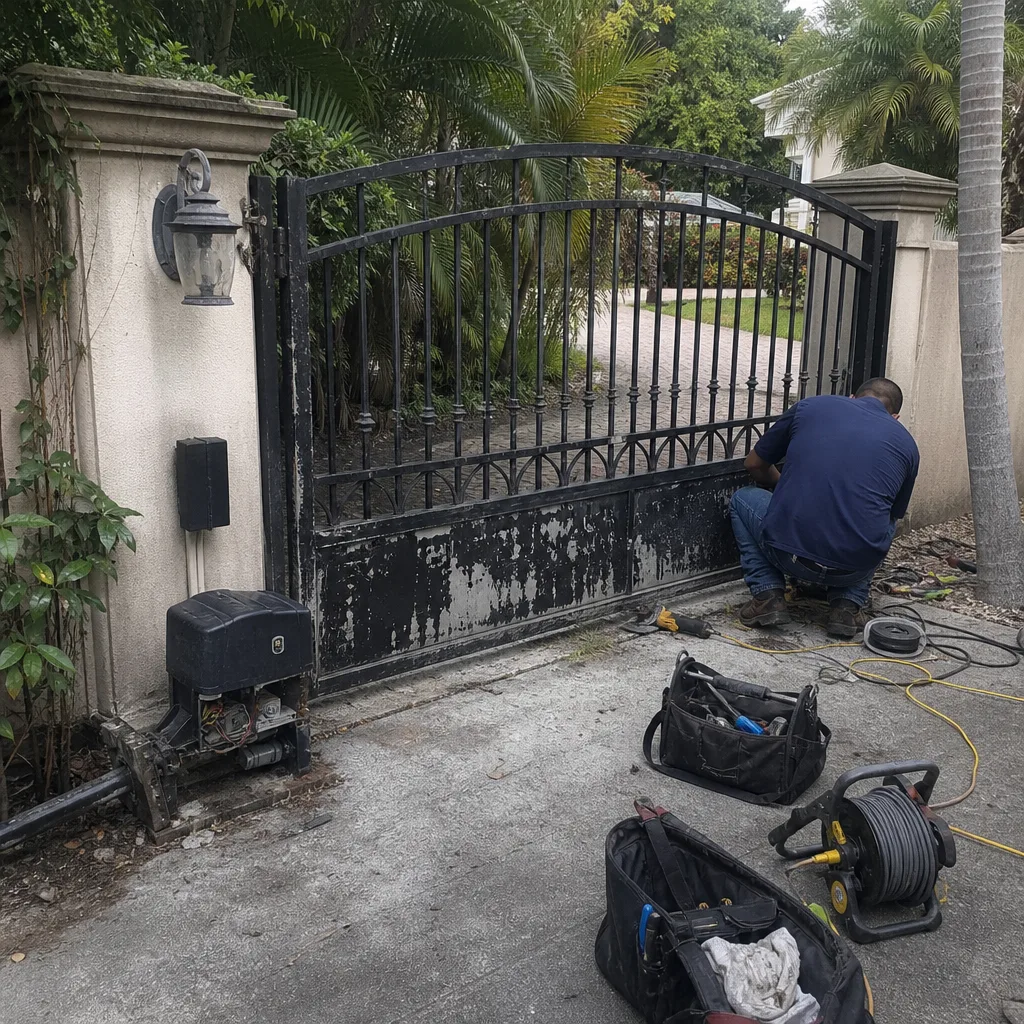 Before
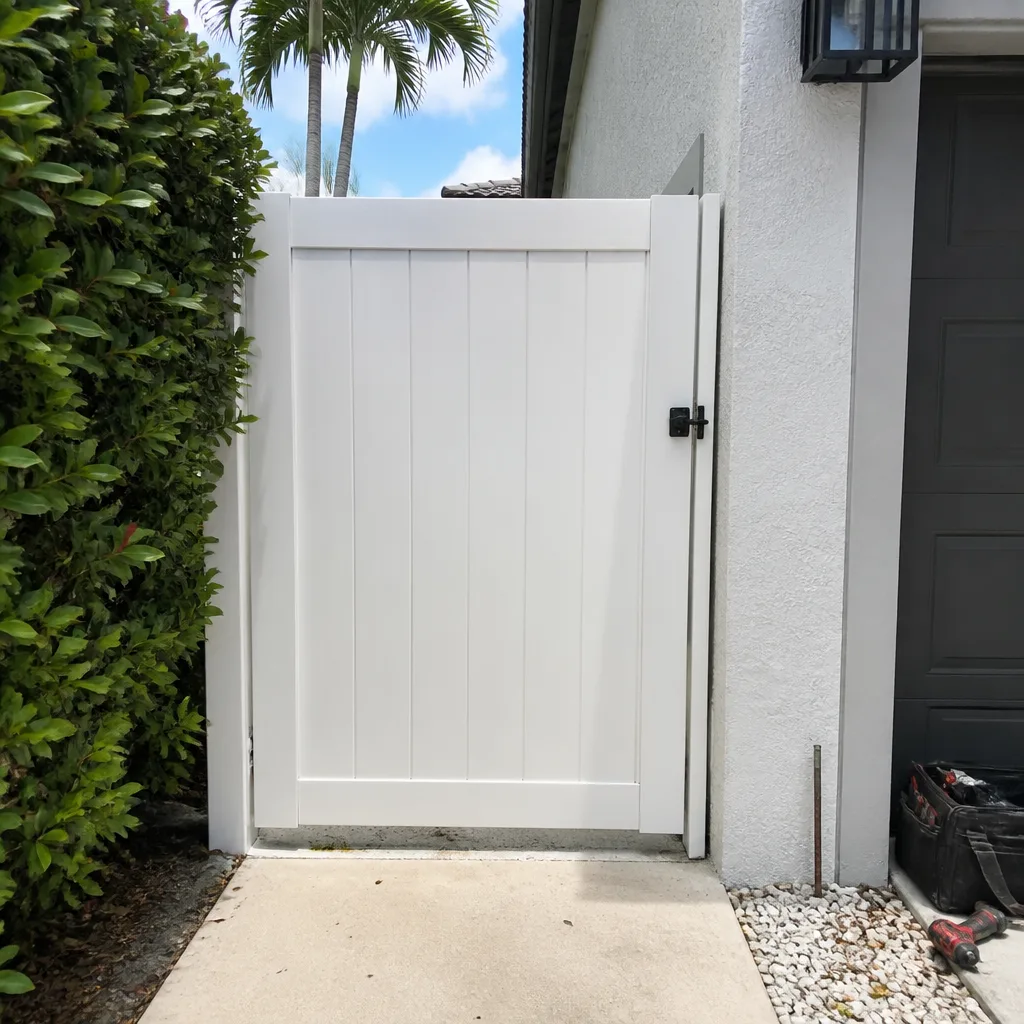 After
After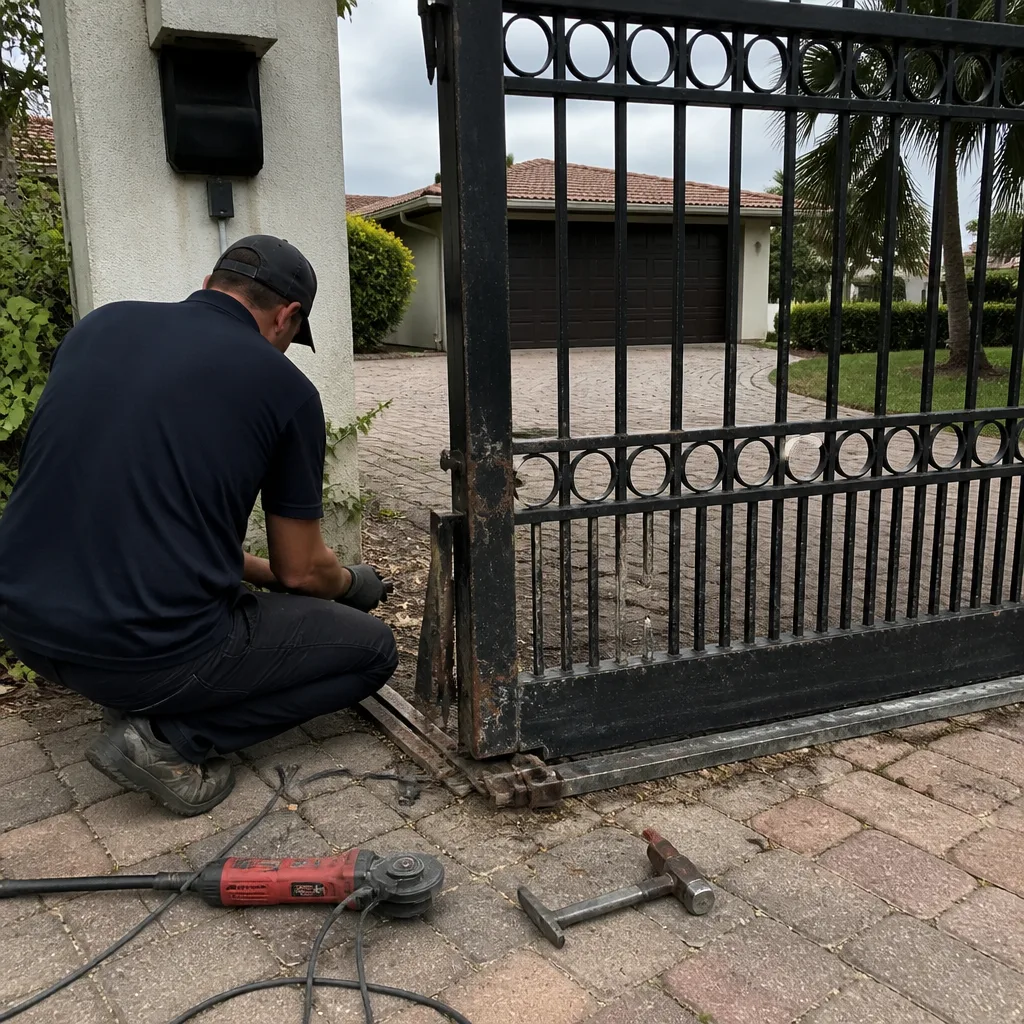 Before
 After
After Before
 After
After